Chronic Wounds
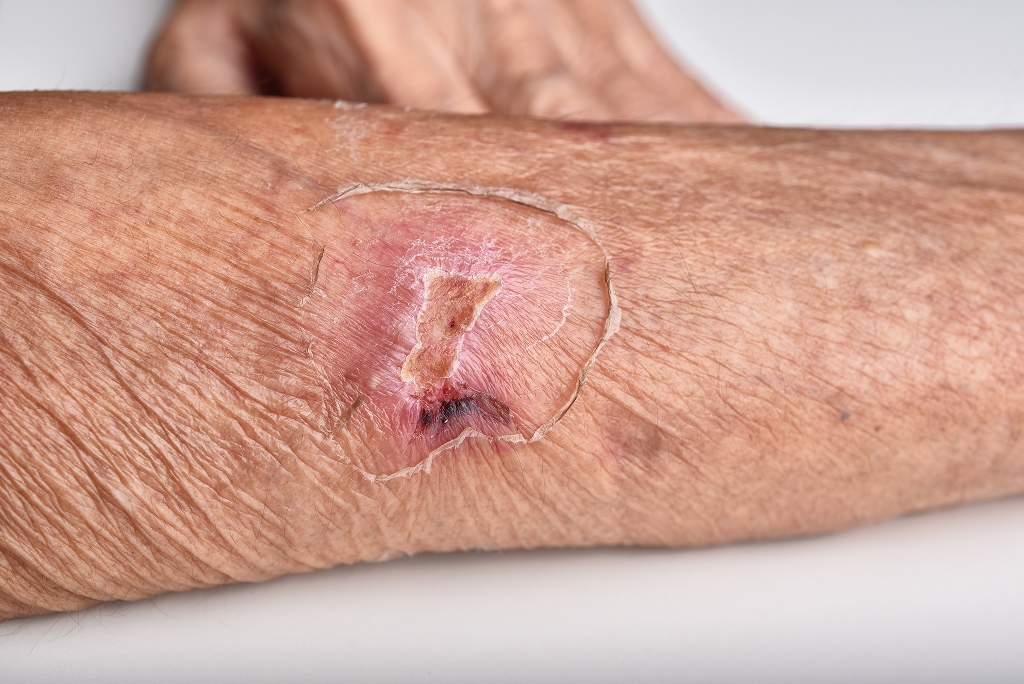
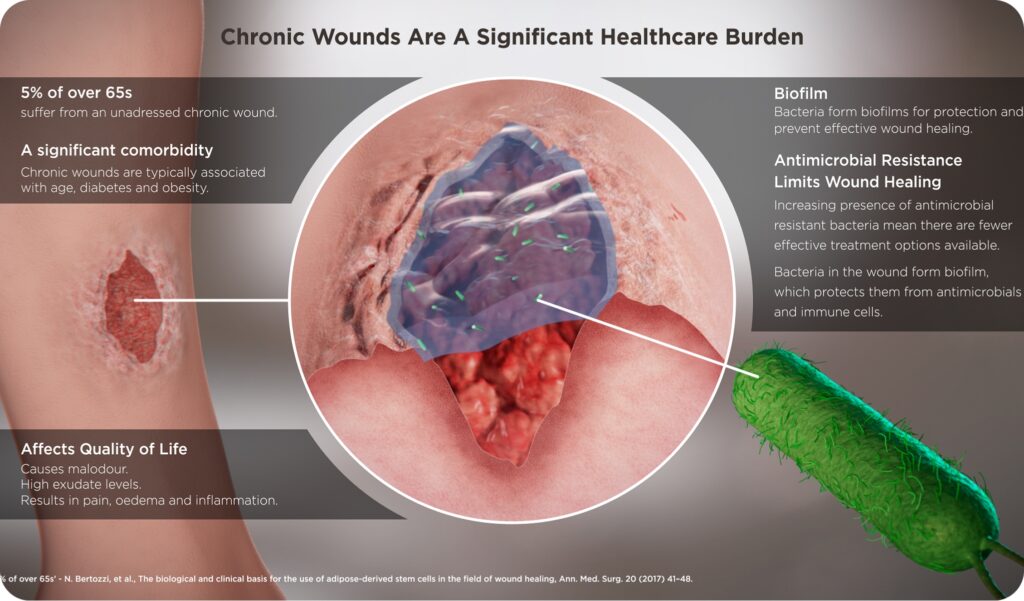
Chronic wounds are becoming increasingly prevalent due to an aging population and increases in the incidence of both diabetes and peripheral vascular disease. In the USA alone, over 6.5 million patients suffer from chronic wounds annually, costing the US healthcare system $25 billion1.
Chronic wounds are worsened by the presence of infection and in greater than 60% of these wounds, a biofilm (a community of microbes surrounded by a protective, slimy, extracellular matrix) forms2.
Traditional antimicrobials used in wound care (e.g. silver) are becoming less effective due to the emergence of drug-resistant pathogens, a phenomenon known as Antimicrobial Resistance (AMR). In 2019, AMR caused 1.27 million deaths globally and it is estimated that it will kill 10 million people a year in 20503.
Management of wounds now faces the perfect storm – an increasing number of chronic wounds and associated biofilm infections, combined with decreasing performance of the clinical interventions designed to manage them3.